Thursday, June 13, 2013

Early Summer Harvest: Beets!


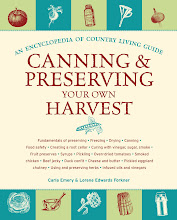
It's been a sunny June in the Northwest, and beets are popping up everywhere — on restaurant menus, at farmers markets, and hopefully in your garden! Carla Emery shares tips on canning and preparing, and a few recipes for enjoying your beets. 

Canning: First scrub roots very well. Then precook by either baking or boiling because raw-packing is not recommended for beets.
  • Precooking by Baking. Cut off tops and roots. You can put beets of any size together in the oven (conventional or microwave). They're all cooked when the biggest one is done. Then pour cold water over the hot, roasted beets, and you'll be able to slip off their skins. Dump the water.
  • Precooking by Boiling. Remove the entire beet top except for the closest 1-2 inches of stem. Leave the roots on; that keeps them from "bleeding" (losing nutrients). Sort beets according to size, and boil similar sizes together so they'll get done at about the same time. When fork-tender (in about 30 minutes), move them into cold water. Slip off skins, stems, and roots.
  • Cutting Up. You cut up beets to improve and even out heat penetration in your jar. If baby beets are smaller than 2 inches wide, they can be left whole. If they're larger, cut them into 1⁄2 - inch cubes. Or slice 1⁄2 inch thick, and then quarter the slices.
  • Packing and Processing. Pack beets into hot jars. Cover with boiling water, leaving 1⁄2 inch headspace. Optional: Add 1⁄2 t. salt/pt., 1 t. salt/qt.; add 1 T. vinegar/pt., 2 T./qt. to preserve color. Process in a pressure canner only: pints for 30 minutes, quarts for 35 minutes. If using a weighted-gauge canner, set at 10 lb. pressure at 0-1,000 feet above sea level; set at 15 lb. at higher altitudes. If using a dial-gauge canner, set at 11 lb. pressure at 0-2,000 feet above sea level; 12 lb. at 2,001-4,000 feet; 13 lb. at 4,001-6,000 feet; 14 lb. at 6,001-8,000 feet; or 15 lb. above 8,000 feet.
Pickled Beets: Start by carefully scrubbing 7 lb. of beets (2 to 2 1⁄2 inches in diameter) to remove all dirt. Now trim off beet tops, leaving on 1 inch of stem and roots to prevent nutrient loss. Wash well. Sort by size. Cover size-grouped  beets with boiling water and cook until tender (25 to 30 minutes). Drain and discard liquid. Cool beets. Trim off roots and stems and slip off skins. Slice into 1⁄4 - inch slices. Peel and thinly slice.

Combine 4 c. vinegar (5 percent), 1 1⁄2 t. canning or  pickling salt, 2 c. sugar, and 2 c. water. Put 2 cinnamon sticks and 12 whole cloves in a cheesecloth bag and add to vinegar mixture. Bring to a boil.

Add beets and 4 to 6 onions (2 to 2 1⁄2 inches in diameter). Simmer 5 minutes. Remove spice bag. Fill pint or quart jars with hot beets and onions, leaving 1⁄2 inch headspace. Adjust lids. Process either pints or quarts in boiling-water canner. At up to 1,000 feet above sea level, process 30 minutes; at 1,001–3,000 feet, 35 minutes; 3,001–6,000 feet,  40 minutes; and above 6,000 feet, 45 minutes.

Pickled Whole Baby Beets Follow above directions, but use beets that are 1 to 1 1⁄2 inches in diameter. Pack whole; don’t slice. You can leave out the onions.

Preparing

Eating Baby Beets. Thinning beets has a really good side. You can eat the thinnings. Eat the tops like greens. If they're big enough to have roots of any development, eat both tops and roots together. I boil top greens and bottom root with bacon and add butter at serving time. Delicious! I like beets best of all at the "baby" stage - that's around 1 1⁄2 to 2 inches in diameter, about the size of a radish. Baby beets are also nice for eating, freezing, canning, or pickling.

Precooking Beets to Eat Fresh. Cut off tops. You may or may not leave a stub (leaving it prevents nutrient loss). Cover with boiling water, and boil until the beets are slightly soft to the touch. Another way to precook beets is to bake them in the oven. The bigger they are, the longer it takes. Drain and slip off the skins; no peeling is necessary. Cut off any remaining root tail and the stalk stub.

Recipes

Quick Beet Soup: Combine 2 c. milk, 1⁄2 c. beet juice, and seasonings.

Cold Beet Salad: Cook 1 lb. beets until tender. Cool, peel, and slice thinly. Combine 4 T. vinegar, 4 T. water, 1⁄2 t. sugar, 2 1⁄2 t. caraway seeds, 1 chopped small onion, 1 t. ground cloves, 1 bay leaf, salt, pepper, and 4 T. oil. Pour over  beets and let marinate several hours before serving.

Orange/Beet Juice: From Ruth of Bonaire: "Make fresh orange juice - enough to fill the blender two-thirds full. Then add 1⁄4 c. peeled, cubed raw beet. Blend and then pour through a strainer, a bit at a time, mashing pulp with a spoon to extract the maximum amount of juice. You can eat the pulp-it's sweet! This juice looks and tastes like red Kool-Aid!"


NOTE: Fresh garden beets have more color than most digestive systems can absorb, so your resulting bowel movement may appear to have “blood” in it. That’s just beet color. Eating beets is absolutely not harmful — on the contrary, beets are very nourishing. And they’re not harsh to digest, only startling to view in that manner.


Monday, May 20, 2013

Creative Solutions for Keeping Pests Out of Your Garden


If you grow it, they will come.  Critters don't understand property rights. Gardens are often and disastrously lost to predators unless the owner takes garden defense seriously. Identify the predator, or potential predator (the one that gets into the neighbor's garden). Then act to prevent the problem, or you'll risk losing what you're working so hard to grow. 

One general deterrent for deer, dogs, cats, and raccoons is the "garden cop," a sprinkler that sprays 3- to 4-second bursts of water when its electronic sensor detects an animal (or person). After squirting, it automatically shuts off and continues to scan the area for the next perimeter violation. "Garden cops" connect to your garden hose and are available from garden suppliers.

Birds, wild or tame, love to eat corn, bean, and pea seeds right after they sprout and before these plants are up a few inches. If birds are a risk, plant the seed extra deep and don't leave any showing. Firm the planted kernels so they stay down there until they germinate. A well-made scarecrow that moves in a breeze may keep them away, especially if it wears real people clothes, has shiny foil hanging strips for "hands," and has a foil face.

Gophers make a horseshoe-shaped mound with an exit hole on one side. A wide variety of traps, poison gases, and poison baits are available from garden supply companies to deal with gophers or moles. Or you could try chewing gum. Dig down to a part of the hole under the mound. Unwrap the gum (don't touch it and leave your scent), and puts 2 sticks down in the hole. Use large leaves (or paper) to cover the hole where he dug down, and puts dirt on top of that. (Block the light, but don't cover the gum with dirt.) Only one kind of gum works for this. It's "juicy" and "fruity."

Slugs and snails will eat stalks and leaves of tender plants. A thick growth of prostrate rosemary makes a border they will not cross, seeming to dislike its sharp foliage. To collect them, put out a saucer of beer, or of milk mixed with water, set down into the ground so that the dish's edge is at ground level. They'll crawl in and drown. Or save eggshells, dry, and finely crush. Then sprinkle them on the garden ground where the slimers go. The shell fragments stick to them and kill them. Don't use the salting method of slug murder because salt kills both slugs and garden veggies.


Tuesday, May 7, 2013

Do-it-Yourself This Mother's Day

Just in time for Mother's Day, Carla Emery offers some recipes for homemade pampering for the wonderful women in your life — or for yourself!

NOTE: To prevent allergic reactions, test a small quantity of any unaccustomed substance by rubbing it on the underside of your arm. Then wait 24-48 hours to see if a rash develops.

For Your Face 

Face Masks. A mask consists of a "binder" (which makes it adhere) and other ingredients mixed in with the binder. Choose your binder according to whether your skin tends to be oily or dry. For oily skin, use yogurt or egg white as a binder. For dry skin, choose lanolin, honey, sour cream, or egg yolk. Experiment with the other ingredients. You can blend vegetables and fruits and combine them with your binder, or use any of the recipes below. 

Wash your face clean before applying the mask. Don't ever put a mask onto the area around your eyes. Rinse off after a half hour or as soon as the mask dries. (While you're waiting, it's a good time to take a nap.) To remove the mask, use a washrag and warm water. Then use cold water to close your pores. NOTE: If you feel any irritation, rinse off immediately!
  • Oatmeal Mask: Mix together 2⁄3 c. oatmeal and enough honey to make a pasty consistency. Optionally, add 2 t. rose water. 
  • Honey/Lemon Mask: Mix 2 T. slightly warmed honey with 1 t. lemon juice. Put the mixture on your face and leave for about a half hour.
  • Peaches and Cream Moisturizer: Blend together 1 ripe peach and heavy cream. Refrigerate. Massage onto your skin wherever needed once per day.
  • Homemade Lip Gloss or Rouge: Mix a drop of food coloring with a fingerful of petroleum jelly. Kids have fun with this, and it won’t hurt their skin.
For Your Body

Herbal Bath. Make a strong tea by pouring boiling water over your chosen herbs. Let steep while you draw your bathwater. Then strain into the water. Or just put herbs right in your bath water - either loose or in a little cheese- cloth bag. Let them steep 10 minutes; then join them in there. Good herbs for bathing are chamomile, lemon verbena, mint, peppermint, and rosemary.
  • Herbal Bath Salts: With Epsom salts, mix sage, thyme, and pennyroyal; lemon balm and peppermint; lavender, rosemary, and pennyroyal; or another herb or herbal combination that pleases you. Or use Epsom salts with a few drops of your favorite fragrance or herbal oil mixed in. When bottled attractively, this makes a nice gift.


Friday, April 19, 2013

How to Plant a Tree

To celebrate Earth Day next week, we'd like to share Carla Emery's instructions for planting a tree. Emery loves trees, and is an enthusiastic advocate for guerrilla tree planting.

In general, the best time to plant a tree is in the early spring or the late fall, but research your specific plant in case of exceptions. Where to plant is the spot where the tree will have the amount of sunshine it needs - full or partial, as specified; full if not specified. And, if it isn't hardy, plant it where it will have shelter from the wind. Plant big deciduous (shade) trees on the south side of the house where they will shade in summer and let warming light enter your windows in the winter. Conifers do well as winter windbreaks on the north or windy side of the house. (Wisely placed trees can improve your home's heating/cooling situation a lot!)

Digging a Hole: Dig planting holes wide and shallow, no deeper than the rootball's size, and make them wider than needed to accommodate the tree's spreading roots. The larger the area that you dig up around the hole in preparation for planting the tree, the easier it will be for its roots to spread and find food and water. Remove any grass for 3 feet in diameter.

Planting the Rootball
  1. Unpot the Tree. Speed matters. Don't let the roots or rootball dry out. Care matters also. Don't let the roots or rootball break. Your plant either will be "bare-rooted" and wrapped in some sort of protective substance or will come with the roots in a ball of dirt in some kind of container to hold it together - a peat pot, burlap, wire basket, or bag. If it's a metal pot, cut off the pot with tin snips. Tear it off if it's made of paper. You have to get as much of the wrapping off as possible without actually harming the rootball. This may have you struggling with knives, wire cutters, etc. Untreated burlap can, if necessary, be planted with the tree.
  2. Double-Check Hole Depth. Do this by setting the tree in the hole to see how it fits. The "collar" (or "crown" or "root flare") should be just at soil level or a little above (to allow for mulch). Usually it's easy to see because you'll be looking for the same soil line that the tree had at the nursery. Trees planted too deep can die within a few years, or develop problems as many as 15 years later. 
  3.  Set Tree in Hole. Then spread out the roots. If you see any girdling, damaged, or circling roots, cut them off. Try to lay the roots out in a way that they make good, straight contact with their new soil. 
  4. Fill in Dirt. Place dirt over and around it. Don't add anything to the dirt you're going to put back into the hole to cover the tree roots - not peat moss, not fertilizer. It does more harm than good to spot fertilize a newly planted tree. This is because it tends to make the soil around the tree roots of a significantly different composition from the soil next to it. Water doesn't move normally across the difference. The result is a tree that's liable to be abnormally wet, or too dry. Don't bury incompletely decomposed organic litter around the seedling tree either. This can mess up the pH, the nutrient balances, and the populations of microscopic soil creatures. On the other hand, fully composted organic material that is evenly distributed across the top of the ground in your young tree's area could be helpful. Stomp dirt all around it to be firm and create a depression into which water can settle. 
  5. The First Soaking. When soil is dry, watering the tree as soon as possible after planting is critical for its survival. Use water also for the final settling of the soil. If additional settling occurs, add more soil, but don't step on the wet soil around the tree. 
  6. Mulch. Mulching the surface of the soil around your newly planted trees 2-4 inches deep does help them by controlling competition and gradually releasing nutrients. In nature, trees mulch themselves every fall. By keeping weeds away, retaining water, and moderating the soil temperature, mulch improves the chances of survival for your tree. But never let mulch pile up against the trunk. After mulching the planting pit, brush back the mulch that is in contact with the trunk.
  7. Avoid Staking. Natural flexing is necessary for the plant to develop a normally strong trunk and roots. Use staking only if needed to hold the tree up until the roots have become established (usually within a year). To stake, use 1 or 2 wooden stakes (pipe or rebar are too hard to pull out), which have been pounded firmly into undisturbed soil. Place the tie about a third of the way up the tree in order to allow maximum trunk movement. Use soft, flat tie material (inner tube, flat soaker garden hose, commercial products). Never use straight twine or electric, or any other type of wire, against a trunk. Remove stakes and ties as soon as possible. Trees are frequently girdled by ties that people forgot to take off. 
  8. Prune. But do not prune the tree top to "compensate for root loss." That's a myth. You may prune to take off broken, rubbing, and weak branches, but try not to remove more than 1⁄5 of the branches. 
  9. Dirt Dam. Build a circular dirt dam to create a basin  effect around the outer edge of your tree planting area to  retain water. Trees need water that soaks in deeply to establish good root systems. Water trees a lot the first year or two and during a drought. Let the root zone dry out between waterings unless your tree is a swamp variety. Five to 15 gal. a week is typical. 
  10. Care After Planting. Young trees benefit if they are irrigated, fertilized, and weeded, being a crop like any other. Water them at least twice a week. Regularly rescue them from weed and grass competitors. Or, easier and better yet, mulch around them so thoroughly the competition doesn't get through. If your trees don't grow well and aren't an obviously healthy green color, they need fertilizer. Spread some manure from your barnyard. However, there's such a thing as too much nitrogen, so spread it in reasonable amounts. For long-term care, young urban trees are most at risk for being bashed by cars or lawn mowers, or vandalized.
 

Friday, April 5, 2013

Planting and Growing Quinoa


Quinoa is a small, hearty and delicious grain similar to millet. Though native to the Andes Mountains, its resilient nature allows it to grow in certain parts of the U.S. as well. Here are few tips from Carla Emery on growing, harvesting, and cooking quinoa

Climate: Colorado and New Mexico are good places to grow quinoa. It thrives in the 6,000-7,000-foot zone in the central Rocky Mountain area, in northern California and northward near the Pacific Ocean, and in the interior Northwest as well. Extremely hot weather actually holds back the seed setting process of this crop. According to Steve Solomon, "Its seeds sprout in chilly soil, and its frost-hardy seedlings may tolerate night temperatures in the low 20s."

Planting: Sow in spring in fertile soil as soon as the soil is warm (April or May). Steve Solomon again: "Quinoa must be sown early while there remains adequate soil moisture... early sowing - leading to the earliest possible harvest when weather is most likely to be dry - is essential... One organic farmer in the dry highlands of eastern Washington's Cascade foothills grows quinoa like wheat, because when crowded and under competition, the plants don't branch, but instead concentrate the harvest into a single seed head that can be harvested with a combine like wheat. I think the gardener will do better planting in rows about four feet apart, the seed sprinkled thinly in the row and gradually thinned to about eight inches in the row... Far less than an ounce of seed will sow 100 row feet, yielding 25 to 50 pounds of seed." 

Keep the seedbed damp until it has germinated. You can eat the young greens you get from thinning the plants; they're nutritious and tasty. Quinoa will grow about 4 feet high. Steve Solomon wrote, "Keep quinoa well-weeded to allocate all soil moisture to the crop. With only a little fertilizer, quinoa grows fast to a magnificent six or seven feet tall, with numerous bushy side shoots."

Harvesting and Using Quinoa

Harvesting: About mid-summer, it grows a sizable seed head heavy with tiny seeds. Harvest when dead ripe. You can thresh out the grain directly from the field, but threshing will be easier if you harvest and then dry the plants indoors a while more before the flailing. Steve Solomon: "The main hazard is rain. Should the drying seed be moistened, it will sprout right in the head; so if rain threatens once the seed is drying, the plants should be cut, bundled, and hung to finish under cover...When the heads are dry, thresh the seed by walking on the stalks, spread on a tarp. Clean by pouring the seed back and forth between two buckets in a mild breeze."

Of Quinoa and Saponin: Steve Solomon: "The seed coat contains a bitter, somewhat poisonous soap or saponin that prevents insect damage and bird predation, but also must be removed before we can eat the grain.  Fortunately, the saponin can, with patience, be soaked out at home; commercially grown quinoa, which is beginning to appear in health-food stores, conveniently has the saponins and seed coat mechanically removed." Wash only as much quinoa as you're going to cook and eat very soon. The saponin coating needs to be on if the grain is to be stored.
  • Steve Solomon's Saponin Soak-Out. "Soak a pint of dry seed overnight in a half-gallon mason jar with a screen lid such as is used to sprout alfalfa, then drain and refill. Continue soaking the seed and rinsing with cold water two to four times a day. Some varieties have harder seed coats containing more saponin than others, and the hardness of your water will regulate the effectiveness of soaking. The foaming saponins may be removed in 36 hours at best; when the water stops foaming when rinsed, the seed is ready for cooking. If 72 hours of rinsing and soaking pass with no end to the foaming, bring the seed to a boil for only a moment, pour off the hot soapy water, cover again, boil rapidly again for only a moment, and pour off the water a second time. Now the seed is ready to cook."
  • Other Saponin Wash-Out Systems. Blend about 1⁄2 cup of quinoa with cold water at lowest speed. Keep pouring off the foaming water and adding fresh water. Repeat until the blending doesn't release any more foam. Another system is to make yourself a quinoa-washing bag out of a loose-weave cloth like muslin. Then put in the grain, tie the bag shut, and wash in a series of cold-water baths until there's no more foam released. 
Cooking Quinoa: Steve Solomon: "Add enough water to just about cover the soaked grain; simmer for 20 minutes or so. The cereal is good any time of day. Nutritionally it is oil-rich, and leaves you feeling satisfyingly full for a long time, much like oats." Quinoa grain has a delicate flavor and twice the protein of rice. Substitute in any rice recipes. Quinoa will expand to four times the original bulk in the cooking, so 1 cup of the uncooked grain will give you 4 cups to serve.